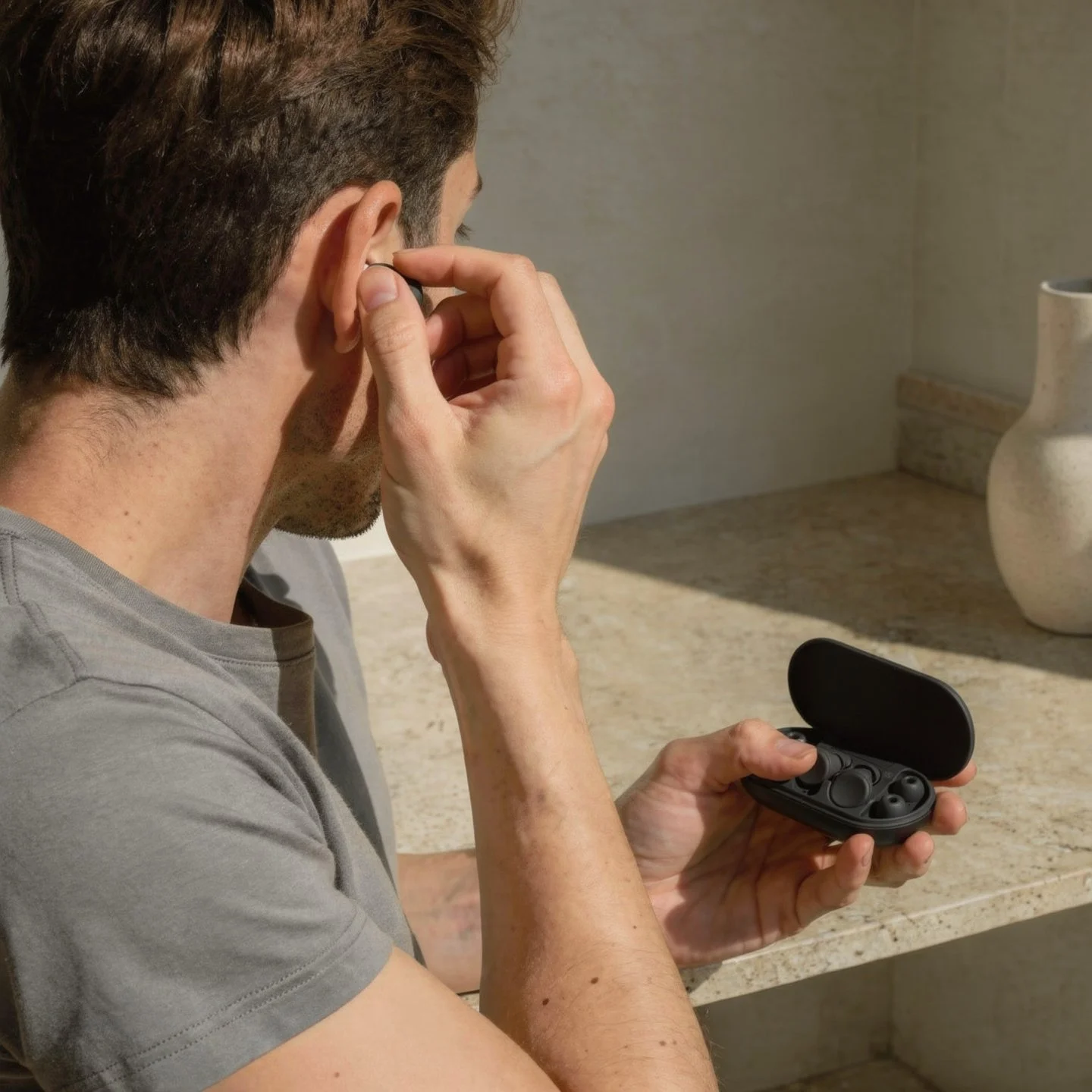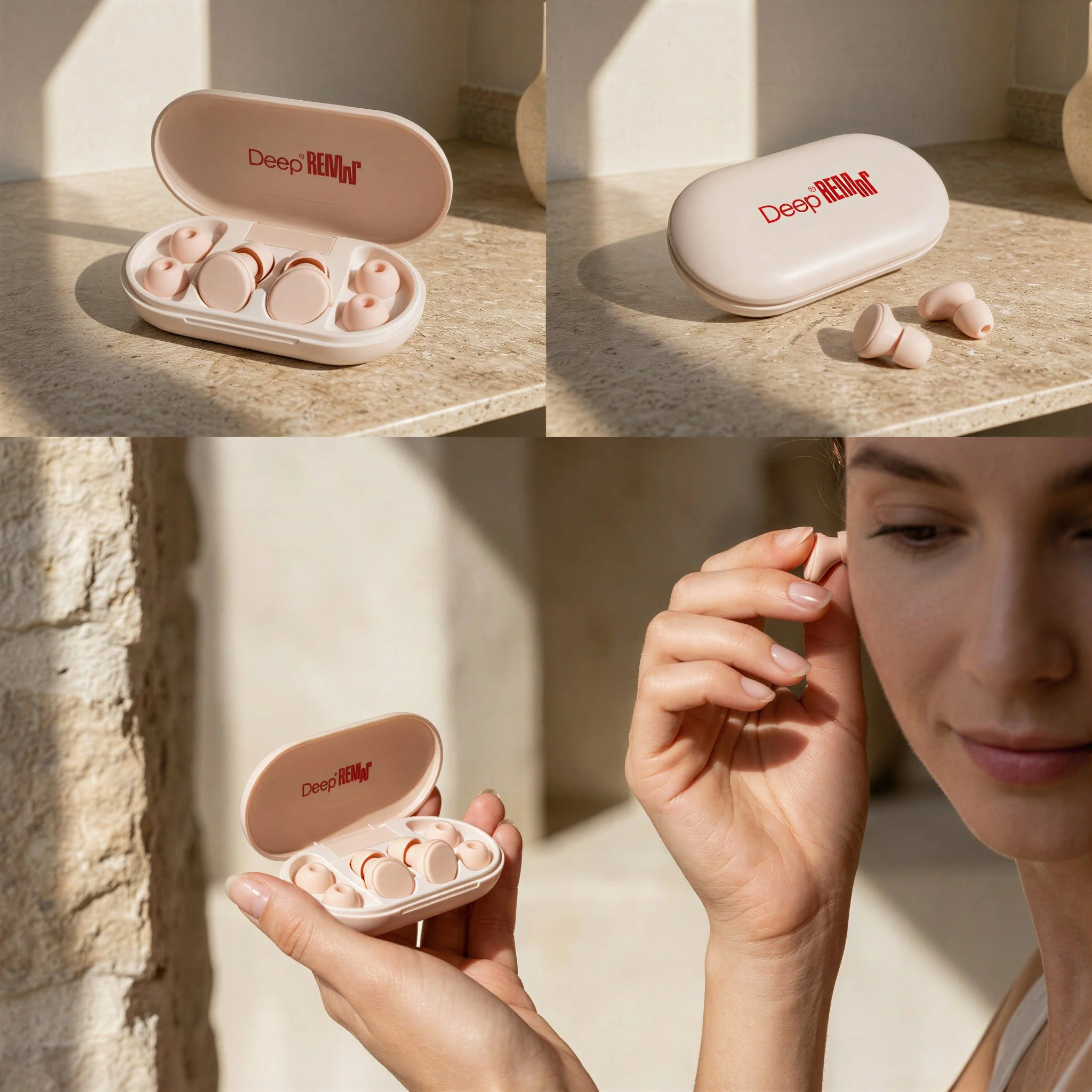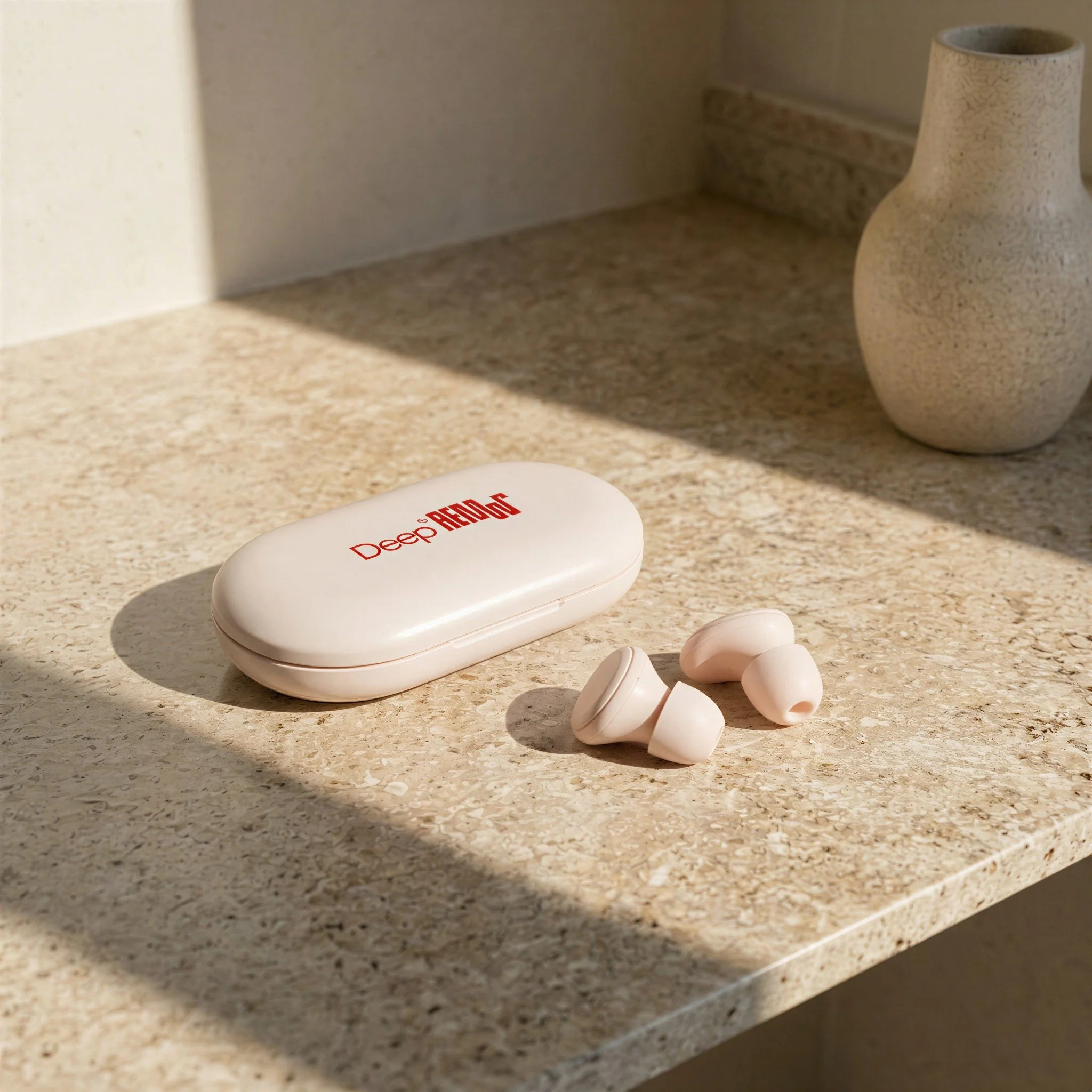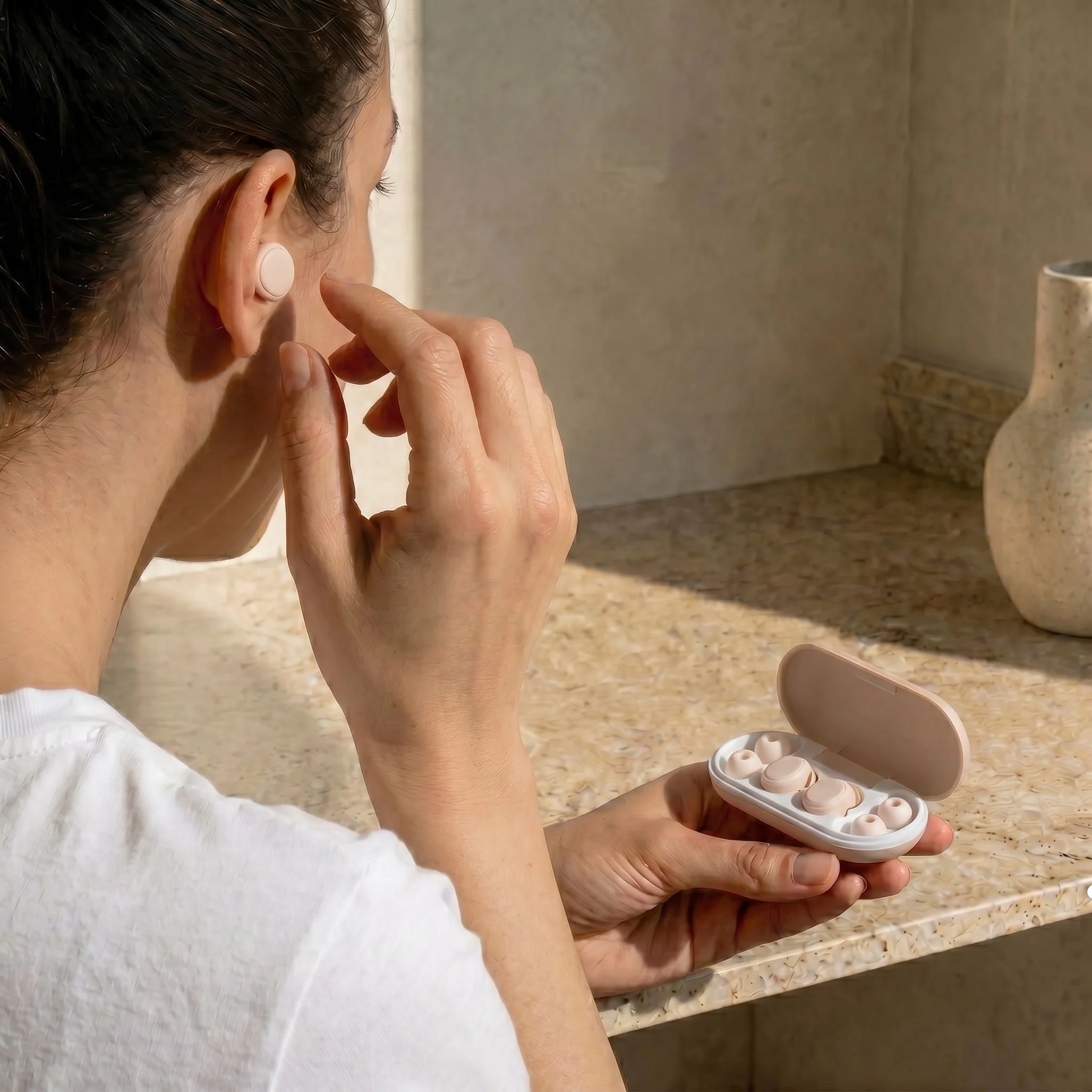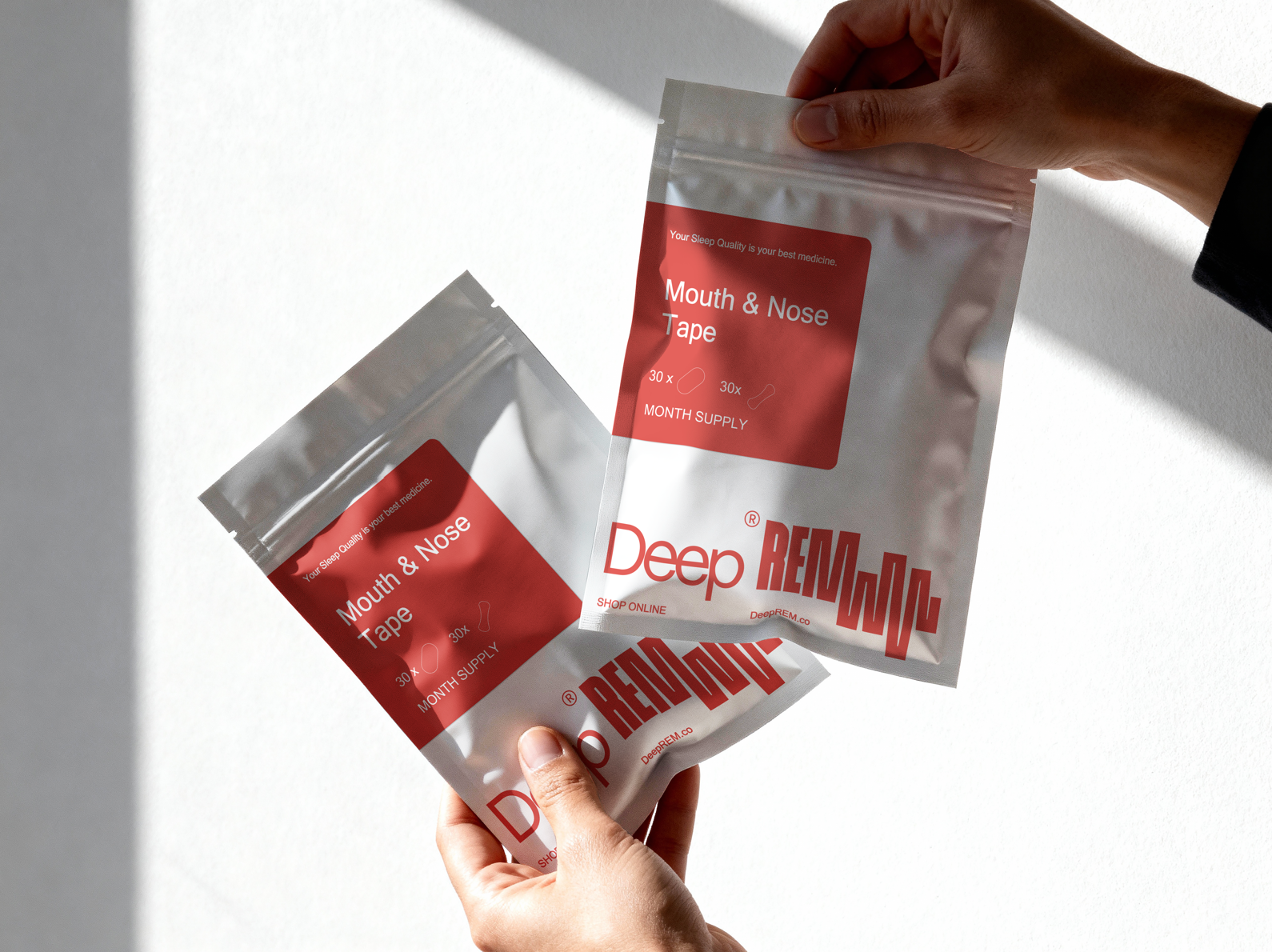
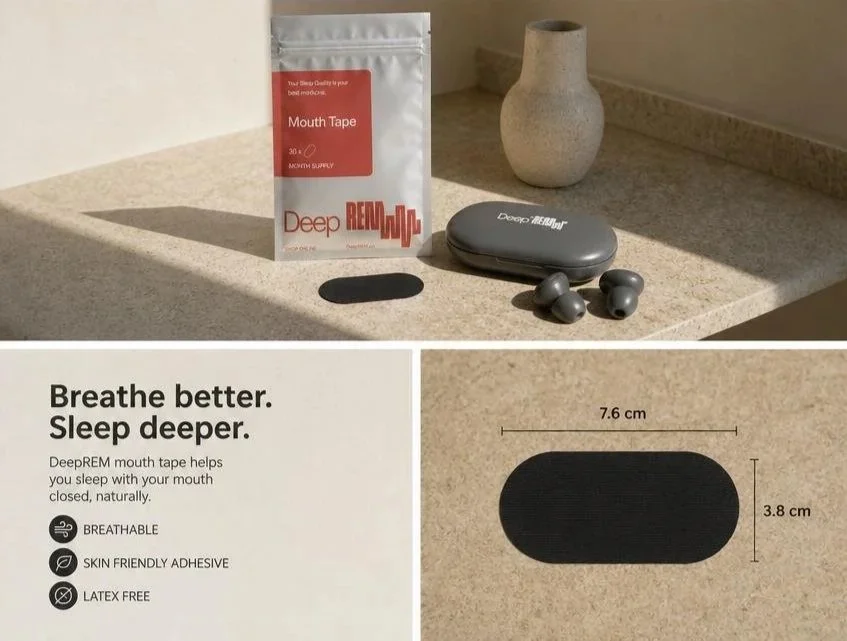
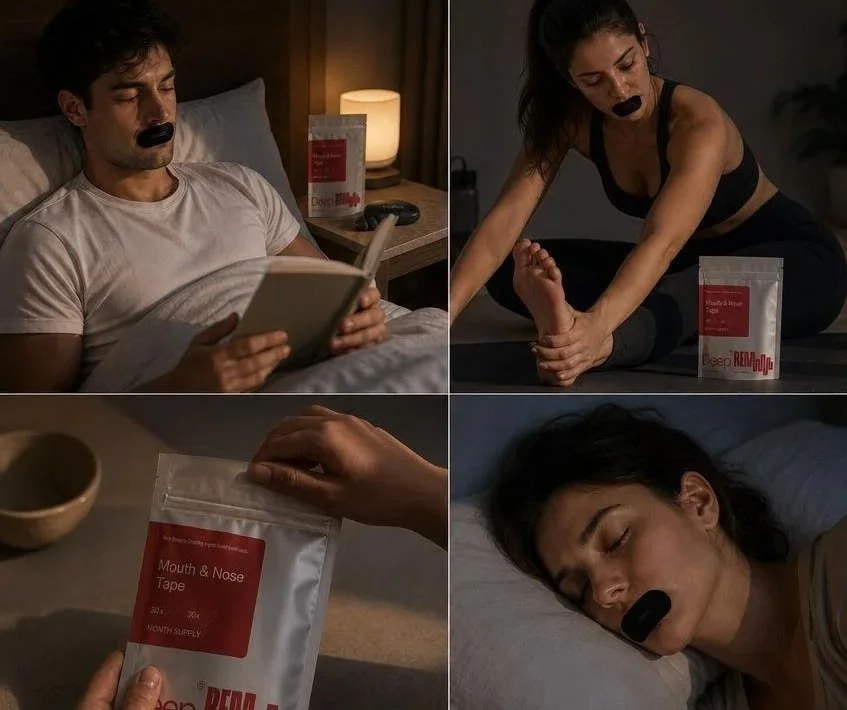
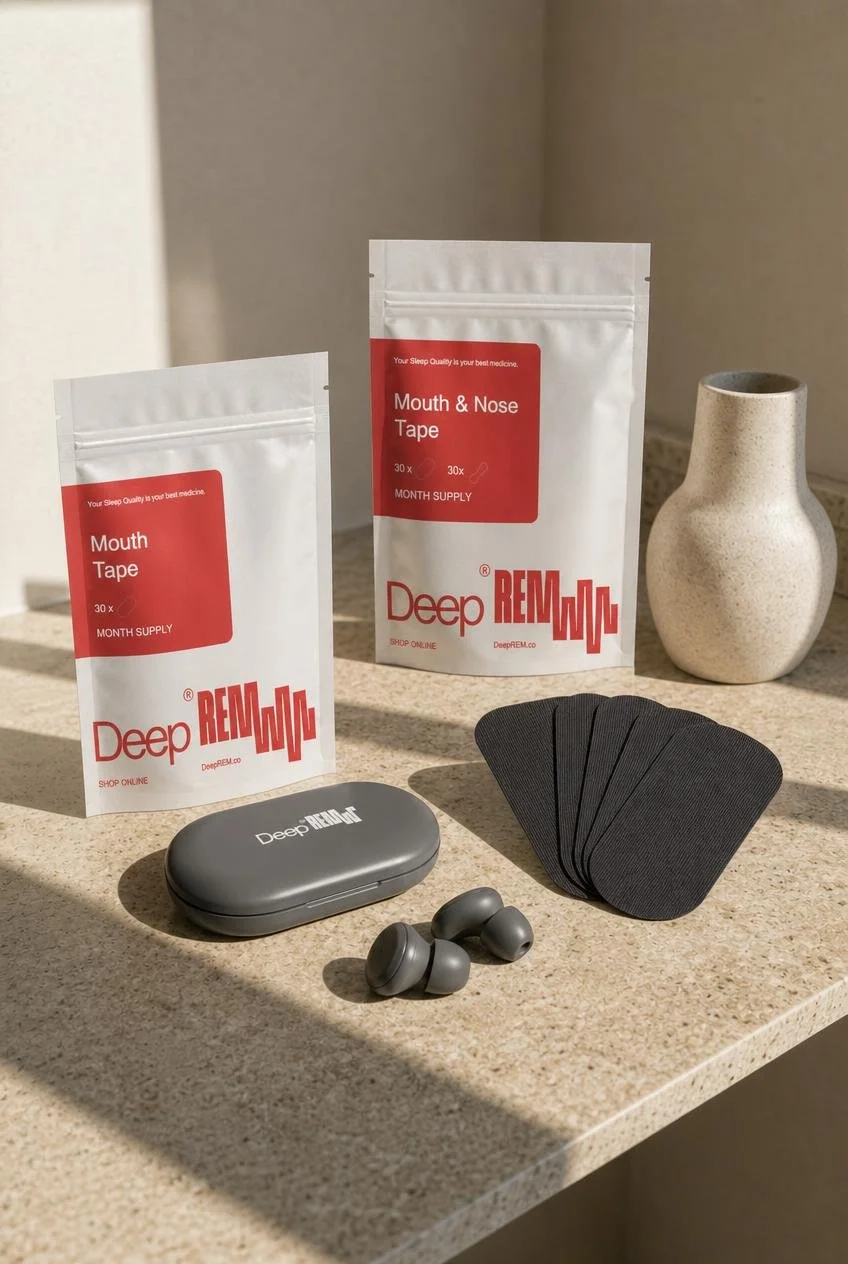

What's included & Key featuresPromotes nasal breathing throughout the night
Reduces snoring and mouth dryness
Improves oxygen uptake and circulation
Activates the parasympathetic nervous system for deeper recovery
Supports longer periods in N3 deep sleep and REM
Helps maintain upper airway muscle tone
Filters, warms, and humidifies the air before it reaches your lungs
30-night supply — one pack, one month of better breathing
The Science BehindWhen you breathe through your mouth, you bypass almost everything your nose was designed to do. The nose filters, humidifies, and warms incoming air — and it generates nitric oxide, a gas that improves oxygen uptake in the lungs and helps neutralize pathogens. Omniair
Nitric oxide, produced by the paranasal sinuses, is a natural vasodilator that improves blood circulation and enhances oxygen uptake in the blood. It also plays a role in maintaining upper airway muscle tone, regulating spontaneous respiration, and controlling neuromuscular activity during sleep. Californiasleepsociety
Nasal breathing supports deeper, diaphragmatic breathing, promotes longer periods of REM and deep sleep, and may reduce snoring by keeping the airways open and improving airflow. Rupa Health
Tips for first-time usersStart during the day. Before using it at night, wear the tape for 20–30 minutes while watching TV or working. Your body needs to register that nasal breathing is available and comfortable before you commit to it during sleep.
Make sure your nose is clear. Mouth tape is not for nights when you're congested. If your nasal airway is blocked, breathe freely and try again the following night.
The tape is gentle — not a seal. It encourages your mouth to stay closed, it doesn't lock it shut. You can open your mouth at any point. If it feels restrictive, start with a smaller strip across the centre of your lips rather than the full mouth application.
Be consistent. Most people notice a difference within 3 to 7 nights — reduced dryness, less grogginess, deeper sleep. Give it at least a week before forming an opinion.
Remove gently in the morning. Wet the tape slightly before peeling if your skin is sensitive. Always peel slowly from the sides inward.
Who should NOT use mouth tapeAnyone with nasal congestion, a deviated septum or chronic nasal obstruction
People with diagnosed severe sleep apnea (consult your doctor first)
Anyone who experiences nausea or vomiting at night
Children without medical supervision